Tell us about the job
Takes about a minute. No obligation.
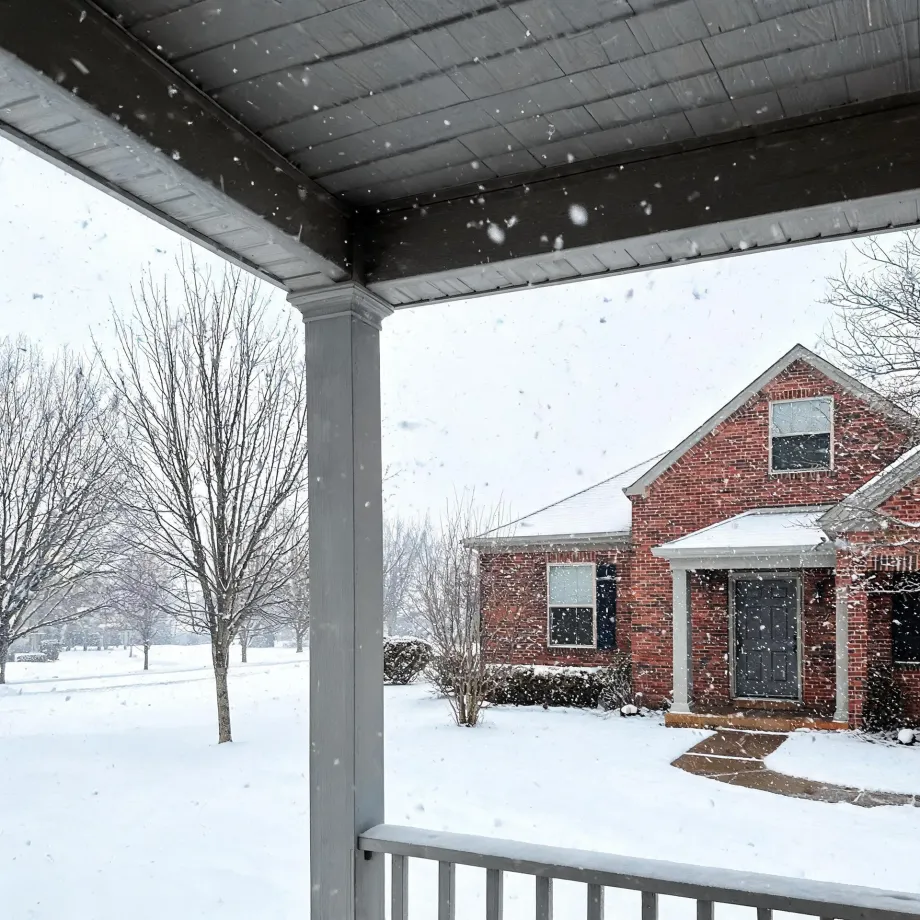
A heat pump running a repair call in Grafton County is rarely a young machine with one bad part. Homes in Grafton County, NH run heat about nine months a year, from September through May. Compressors and reversing valves cycle through heating duty most of that calendar, and the wear on them is cumulative in ways that show up in how a contractor sequences the diagnosis. A refrigerant pressure reading or a contactor that looks borderline has more mileage behind it than the same reading on a lightly run system, and a contractor pricing the repair has to account for what else is close to the same threshold.
Opened equipment in Grafton County houses tends to tell a specific story: compressors showing wear from years of cold-climate cycling, refrigerant circuits that have developed slow leaks, and contactors or capacitors that have simply run their course. Half the homes in Grafton County, New Hampshire were built in 1981 or earlier (2020-2024 ACS 5-year). A contractor pulling a heat pump apart in a house like this is less likely to find a loose wire than a part that has been working against the climate for a long time. Whether that part is still available, and at what lead time, shapes the repair scope as much as the diagnosis does.
The Parts of a Heat Pump a Contractor Checks First
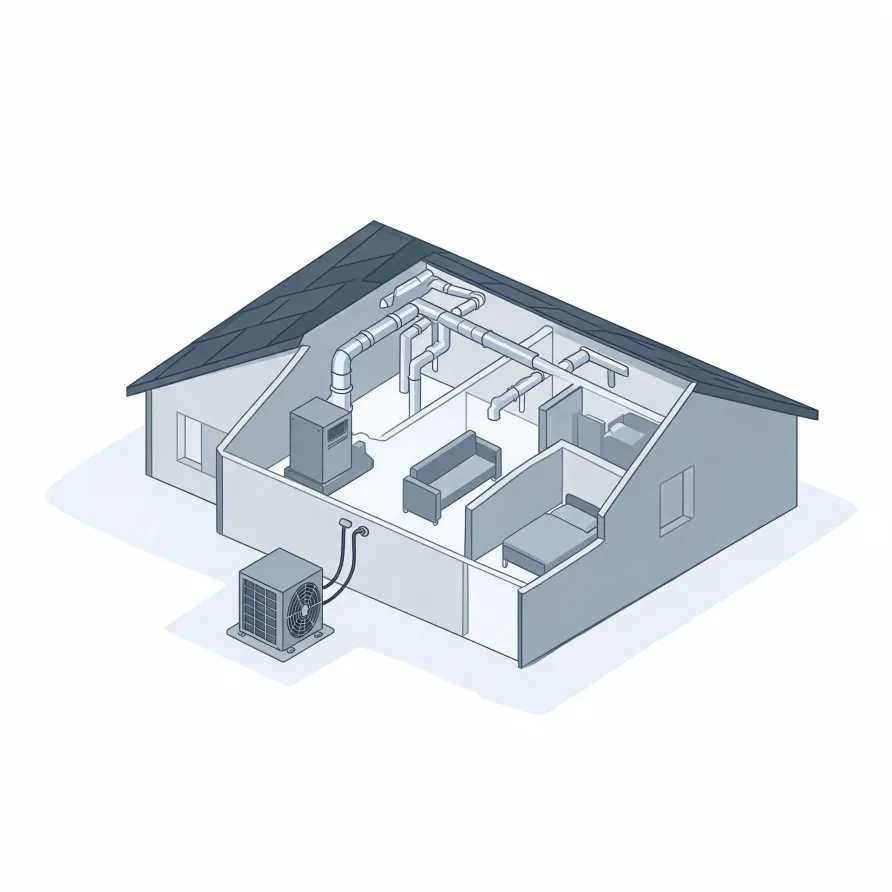
The outdoor unit sits on a pad beside the house and holds the compressor and the condenser coil. The compressor is where most repair work begins. When the system stops moving heat, runs in short bursts, or makes noise it did not make before, the compressor, the condenser coil, or the refrigerant lines feeding them are where a contractor looks first.
Inside the house, the air handler holds the evaporator coil and the blower fan. The air handler connects to the outdoor unit through a pair of refrigerant lines and a control wire. The expansion valve, the reversing valve, and the capacitors that start the motors are all housed within these two units and all are common points of failure a contractor will work through.
The drawing shows a typical layout, and a licensed contractor determines what applies to your specific house and system.
Get matched in Grafton CountyGrafton County, by the numbers
242 severe weather events were recorded in Grafton County, New Hampshire between 2015 and 2024.
NOAA National Centers for Environmental Information, Storm Events Database, bulk CSV export, events 2015-01-01 through 2024-12-31.Half the homes in Grafton County, New Hampshire were built in 1981 or earlier (2020-2024 ACS 5-year).
U.S. Census Bureau, 2020-2024 American Community Survey 5-Year EstimatesGrafton County, New Hampshire holds 51,920 housing units (2020-2024 ACS 5-year).
U.S. Census Bureau, 2020-2024 American Community Survey 5-Year EstimatesOwners occupy 71.3% of the occupied homes in Grafton County, New Hampshire (2020-2024 ACS 5-year).
U.S. Census Bureau, 2020-2024 American Community Survey 5-Year EstimatesCodes & Standards Covering Heat Pump Repair in Grafton County, New Hampshire2 sourced rules and standards
Licensing Rules for HVAC Repair in Grafton County, New Hampshire
New Hampshire's mechanical licensing board issues nine credentials — hearth system, four fuel gas endorsements, domestic appliance technician, and master, journeyman and apprentice plumber — and a licensee may not work outside the specialty their licence names. None of the nine is an HVAC licence.
New Hampshire does not license HVAC as a trade, and says so where it matters: the plumbing licence expressly does not reach a person installing heating, cooling, air conditioning or domestic water heating systems, whether solar, oil, gas or electric. The gas piping on a gas-fired system is a separate matter and needs a fuel gas fitter licence.
Severe Weather Events in Grafton County
Grafton County weather puts real demands on heat pump systems, which work harder and wear faster when outdoor conditions swing wide. Repair needs here are shaped by local conditions, and the record below shows what those conditions look like.
242 severe weather events, 2015–2024. Source: NOAA National Centers for Environmental Information, Storm Events Database.