Tell us about the job
Takes about a minute. No obligation.
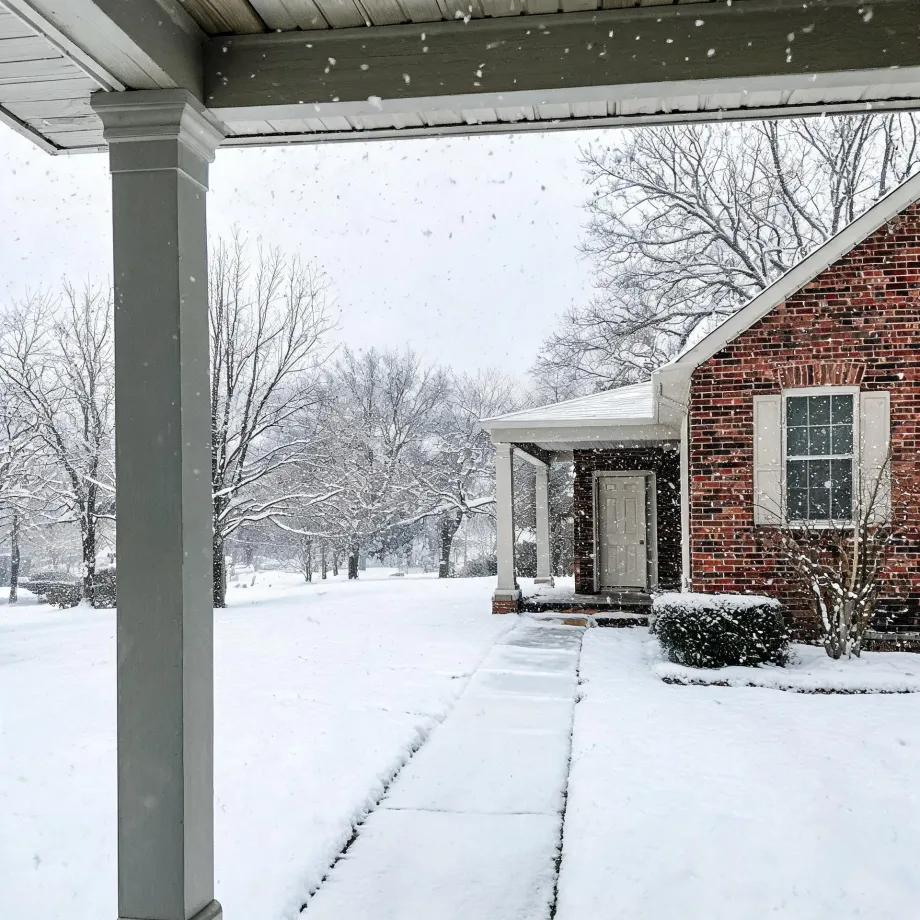
On a heat pump repair call in this county, a contractor starts with the components that take the hardest cycling load: the reversing valve, the refrigerant coil, and the electrical contacts that switch the system between heating and cooling. Homes in Hillsborough County, NH run heat about eight months a year, from October through May. Capacity on a heat pump drops as outdoor temperatures fall, which means the system is working hardest precisely when conditions are coldest, and the reversing valve and coil connections show that stress first. A fault that develops late in the season often sits undetected until the next cold stretch, when the system is again running near its limit.
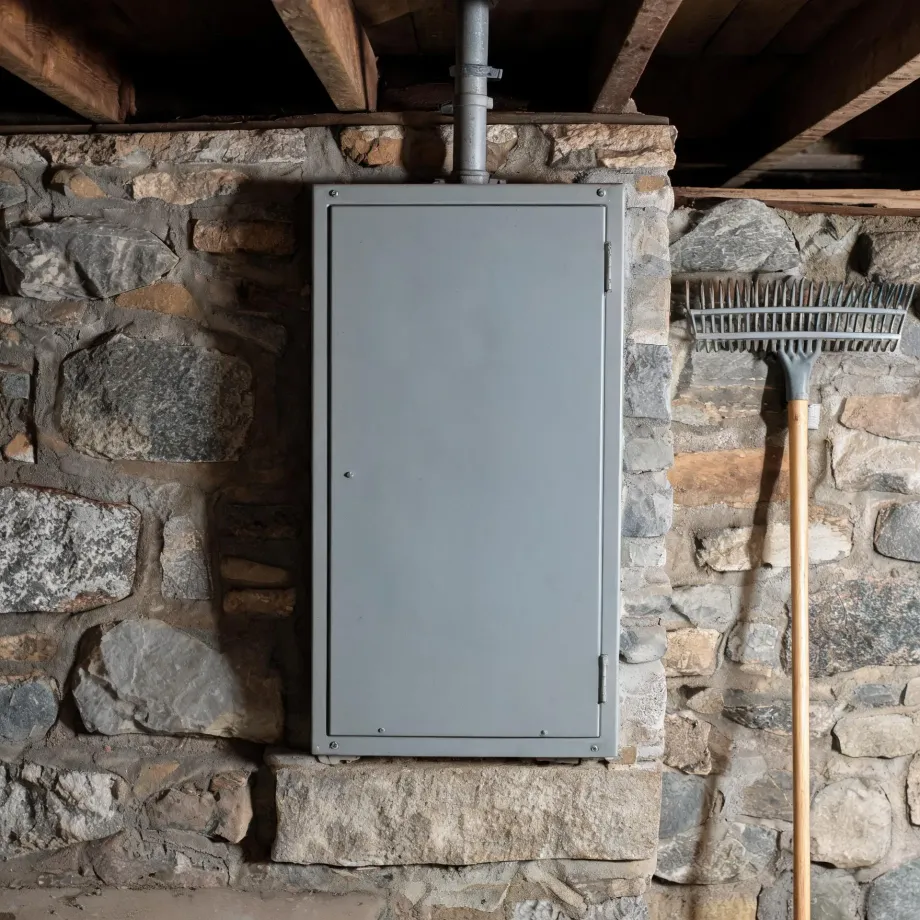
Electrical service and refrigerant line sets in houses this old were put in around whatever was running at the time, and what runs now is different. Half the homes in Hillsborough County, New Hampshire were built in 1978 or earlier (2020-2024 ACS 5-year). A contractor opening a heat pump for repair in stock like this finds the unit itself is often the simpler part of the call. The line set condition, the panel capacity feeding the air handler, the state of the disconnect box: those are what determine whether a repair stays a repair or turns into a larger conversation about what surrounds the equipment.
The Parts of a Heat Pump a Contractor Checks First
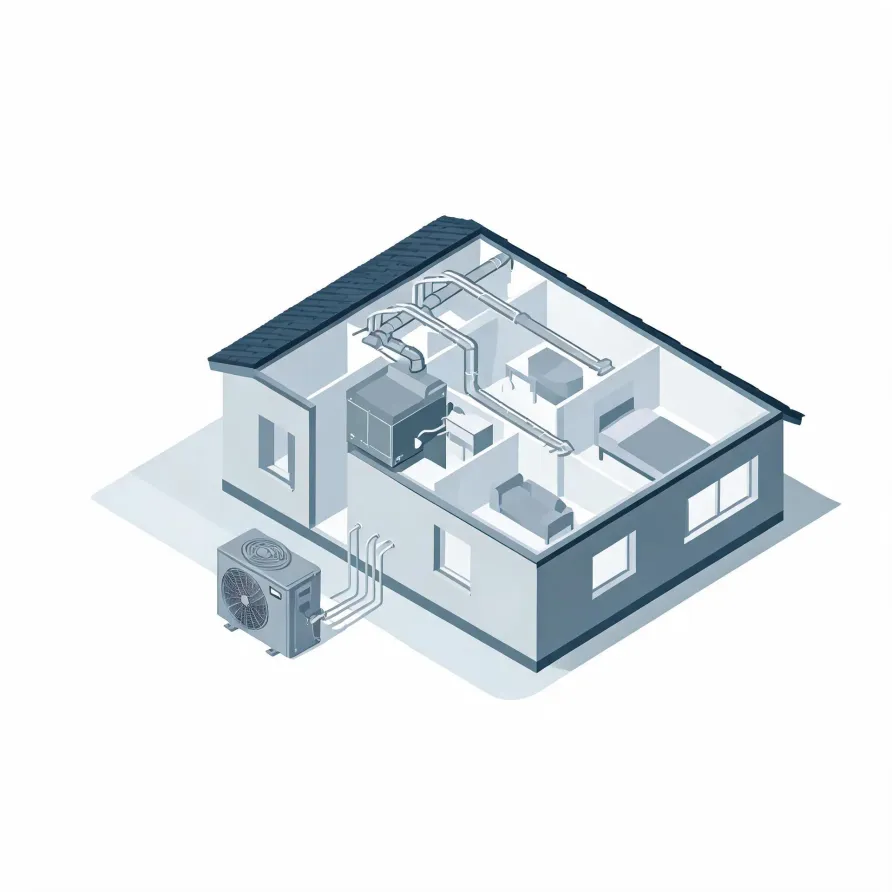
The outdoor unit is the piece most homeowners recognize. It holds the compressor, which does the core work of moving heat, and the condenser coil wrapped around it. When the system stops heating or cooling properly, the compressor and its refrigerant connections are where a contractor starts.
Inside the house, the air handler pushes conditioned air through the home and contains the evaporator coil and the blower motor. The refrigerant lines that run between the two units and the reversing valve, which switches the system between heating and cooling modes, are also common points of failure a contractor will examine.
The drawing shows a general layout of these components, and a licensed contractor determines what applies to your specific system and home.
Get matched in Hillsborough CountyHillsborough County, by the numbers
251 severe weather events were recorded in Hillsborough County, New Hampshire between 2015 and 2024.
NOAA National Centers for Environmental Information, Storm Events Database, bulk CSV export, events 2015-01-01 through 2024-12-31.Half the homes in Hillsborough County, New Hampshire were built in 1978 or earlier (2020-2024 ACS 5-year).
U.S. Census Bureau, 2020-2024 American Community Survey 5-Year EstimatesHillsborough County, New Hampshire holds 177,734 housing units (2020-2024 ACS 5-year).
U.S. Census Bureau, 2020-2024 American Community Survey 5-Year EstimatesOwners occupy 67.4% of the occupied homes in Hillsborough County, New Hampshire (2020-2024 ACS 5-year).
U.S. Census Bureau, 2020-2024 American Community Survey 5-Year EstimatesCodes & Standards Covering Heat Pump Repair in Hillsborough County, New Hampshire2 sourced rules and standards
Licensing Rules in Hillsborough County, New Hampshire
New Hampshire's mechanical licensing board issues nine credentials — hearth system, four fuel gas endorsements, domestic appliance technician, and master, journeyman and apprentice plumber — and a licensee may not work outside the specialty their licence names. None of the nine is an HVAC licence.
New Hampshire does not license HVAC as a trade, and says so where it matters: the plumbing licence expressly does not reach a person installing heating, cooling, air conditioning or domestic water heating systems, whether solar, oil, gas or electric. The gas piping on a gas-fired system is a separate matter and needs a fuel gas fitter licence.
Severe Weather Events in Hillsborough County, NH
Extreme weather puts heat pumps under stress, and the strain shows up as repair calls. How hard local conditions push heating and cooling equipment is a Hillsborough County question, not a national one.
251 severe weather events, 2015–2024. Source: NOAA National Centers for Environmental Information, Storm Events Database.