Profile view of a bearded man wearing a dark baseball cap and a dark gray T-shirt against a plain off-white background.

Why your heat pump bill jumps in a New Hampshire winter

Step 1 of 3: Equipment

Why does my heat pump bill jump in the winter here in New Hampshire?

You run the heat pump on cold mornings and the bill comes in higher than you expected, especially compared to what oil heat used to run. You're trying to figure out if something is wrong with the unit or if this is just what a New Hampshire winter costs to heat through.

It uses more power as the temperature drops, and power here isn't cheap

A heat pump pulls heat from outside air and moves it indoors. The colder it gets outside, the harder it has to work to pull that heat, and the more electricity it draws to do it. On a 20 degree night it's running much harder than it does at 40. Most homes in New Hampshire still heat with oil, so there's no local baseline for what a heat pump should cost to run through January, and electricity here is among the most expensive in the country. Put those together and a bill that jumps hard in the coldest stretch isn't unusual on its own. If it jumps and stays high even on milder days, or climbs more than it did last winter, that points to the unit working harder than it should.

A gray outdoor condenser unit sits on a concrete pad against a house wall with horizontal siding above a stone veneer base, with an electrical disconnect box and conduit on the wall and a leafy shrub in mulch to the left.

Running as it should

A heat pump in good shape still draws more power below freezing, because it has to work harder to pull heat out of cold air. The jump is normal. If the unit cycles on, runs steady, and the house holds its temperature, the higher bill is just the cost of the cold morning, not a sign of trouble.


An outdoor air conditioner condenser unit on a concrete pad beside a house with horizontal siding above a concrete block foundation, with insulated refrigerant lines and a vertical white pipe on the wall.

Working harder than it should

If it runs long stretches without warming the house, frosts up and doesn't defrost on its own, or you hear it straining, something is off. A low charge or a failing defrost control makes the unit draw more power for less heat, and that gap shows up directly on the bill.

A woman in a cream cowl-neck sweater stands in a lamp-lit room looking out a window at a snow-covered yard with shrubs and bare trees at dusk.
A woman in a gray turtleneck sweater stands near a large window in a lamp-lit living room, looking out at falling snow and snow-covered conifers.
A woman in a chunky knit sweater stands by a large window looking out at snow-covered ground, with a dimly lit living room containing a gray sofa, framed artwork, shelves and table lamps behind her.
A woman in a gray turtleneck sweater stands in a dimly lit living room with a lamp and bookshelves, looking out a multi-pane window at falling snow.

A heat pump's output drops as the outside air gets colder, so most run a backup heat strip on the coldest days to keep the house warm, and that strip pulls far more power than the compressor alone.

If your thermostat shows "emergency heat" or "aux heat" running often through January and February, that's the backup strip carrying the load, and it's the biggest reason the bill climbs past what the heat pump alone would cost.

A bearded man in a plaid flannel shirt stands indoors looking out a frost-covered window, with a steaming dark blue mug on the wooden sill and snow-covered trees outside.
A smiling man in a dark blue T-shirt sits on a light gray sofa in a living room with a wooden shelf and window behind him, with a laptop edge visible in the foreground.

What a working system still costs

A heat pump that's running fine still costs more to run here than it did in October, and more than oil heat did when it was mild outside. That part is normal and won't change with a repair. What a repair can fix is everything added on top of that: short cycling, a unit that won't hold the house at temperature, ice that won't clear off the outdoor coil, or aux heat kicking on when it shouldn't. Those problems stack extra draw on top of the normal winter increase, and they're the part worth checking before you just accept the bill.

What a small problem turns into

A dirty filter or a low refrigerant charge doesn't stop a heat pump from running. It just makes the unit work longer and harder to reach the same temperature, and in a New Hampshire winter that difference shows up fast on a power bill that's already among the highest in the country. Left alone through a cold stretch, that strain is what pushes a compressor toward failing outright, and a failed compressor in January means the backup heat strip carrying the house alone until it's replaced. Catching it early is cheaper than the alternative, and the alternative is a repair you can't put off.

Power costs 24.53 cents per kilowatt-hour statewide

At 24.53 cents per kilowatt-hour, every extra hour your heat pump runs on a cold morning shows up fast on the bill. A unit working harder than it should, from a dirty coil or low refrigerant, costs you more here than it would almost anywhere else.

EIA-861 2025 statewide residential average

  1. The outdoor coil pulls heat from the cold air outside.

  2. Refrigerant carries that heat inside to the indoor coil.

  3. The compressor squeezes the refrigerant to raise its temperature.

  4. As outside air drops, the compressor runs longer to keep up.

An outdoor air conditioning condenser unit with dusty coils sits on a concrete pad against light horizontal siding, with an electrical disconnect box and refrigerant lines on the wall and a shrub and mulch at left.
Before you get your heat pump repair
A gray outdoor condenser unit sits on a concrete pad beside a house with horizontal lap siding, with a wall-mounted disconnect box and refrigerant lines, mulched beds and a shrub nearby, and a concrete walkway in the foreground.
After you get your heat pump repair
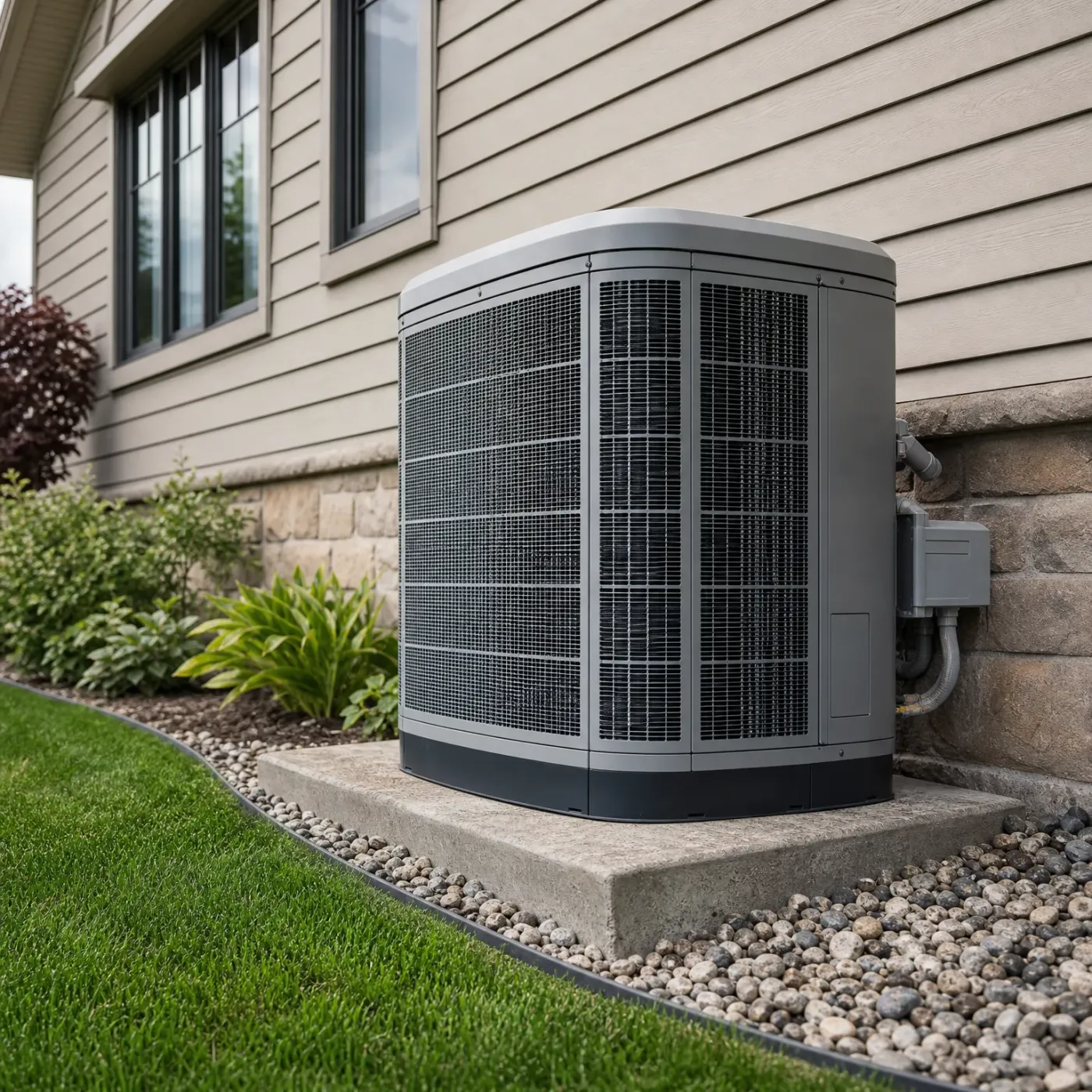
A gray outdoor condenser unit on a concrete pad beside a house with horizontal lap siding and a stone foundation, with a lawn, shrubs and decorative gravel nearby.

Matched to your heat pump job

Describe what your heat pump is doing once, in one form.

A local pro who knows heat pumps gets your details and gets in touch.

Request a pro

You only hire the pro if you want to.

Is my heat pump actually struggling right now

Walk past the outdoor unit. If it's caked in ice beyond a thin frost, or the fan sounds strained, it's working harder than it should. Inside, check if some rooms stay cold while the thermostat reads satisfied, or if the system runs long stretches without shutting off on a day that isn't especially cold. Listen for the backup heat kicking on more than it used to. A unit that short cycles, turning on and off every few minutes, is also telling you something. Left alone, a system straining like this through a New Hampshire winter can freeze up solid, trip its own safety switch, or burn out the compressor, leaving you without heat on the coldest night.

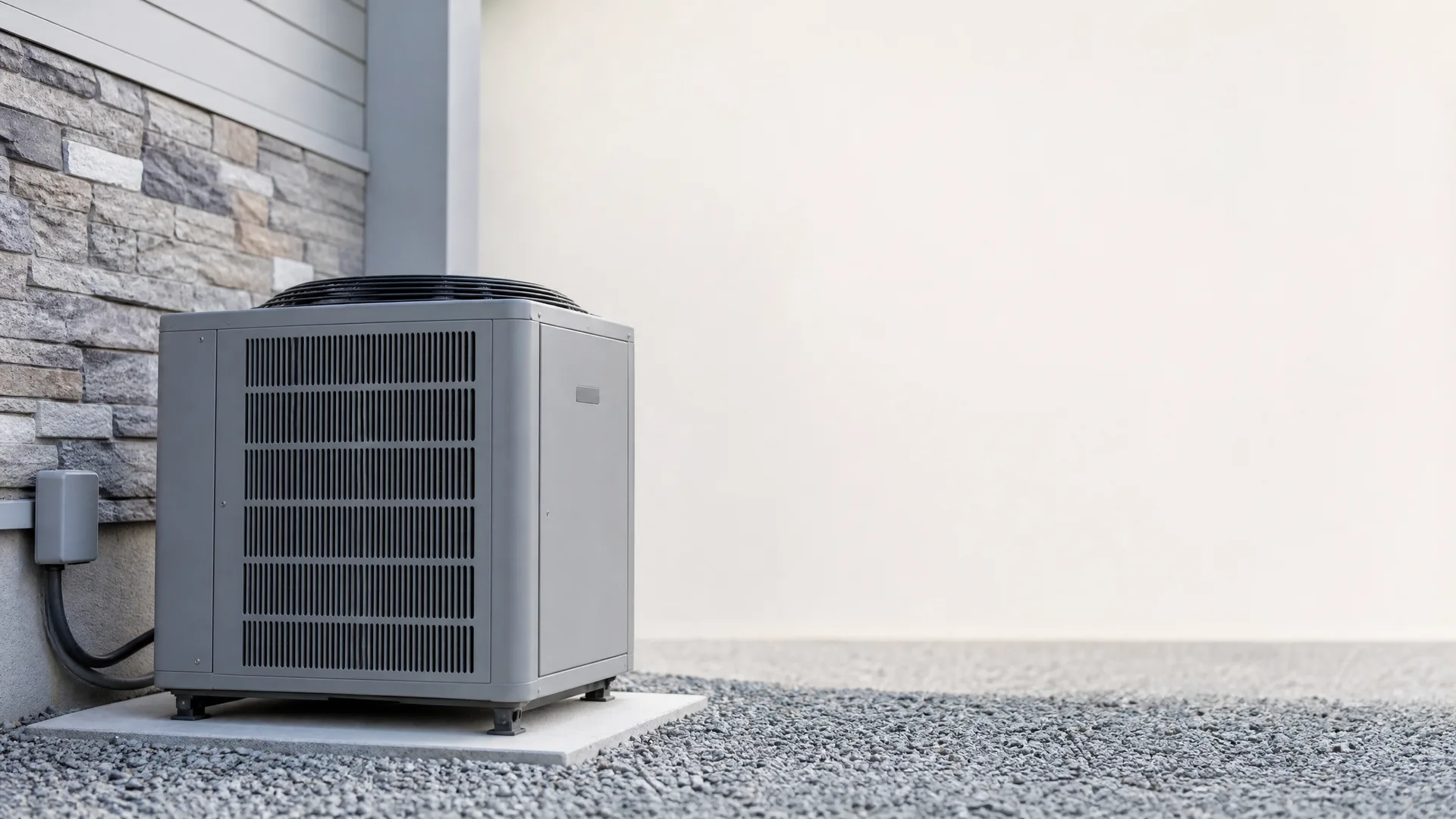
A gray outdoor condenser unit on a concrete pad beside a house with stacked stone and horizontal siding, surrounded by gray gravel and a plain light wall.

Letting a small problem ride

A heat pump that's icing up heavy, short cycling, or losing ground on cold mornings will keep running that way until someone looks at it. Every week you wait, it's pulling more power to do less heating, and in New Hampshire that shows up fast at 24.53 cents a kilowatt-hour. You're also stuck doing the legwork yourself: finding a contractor who works on heat pumps, calling a few, explaining the icing or the weak airflow each time, then sitting with quotes trying to compare them.

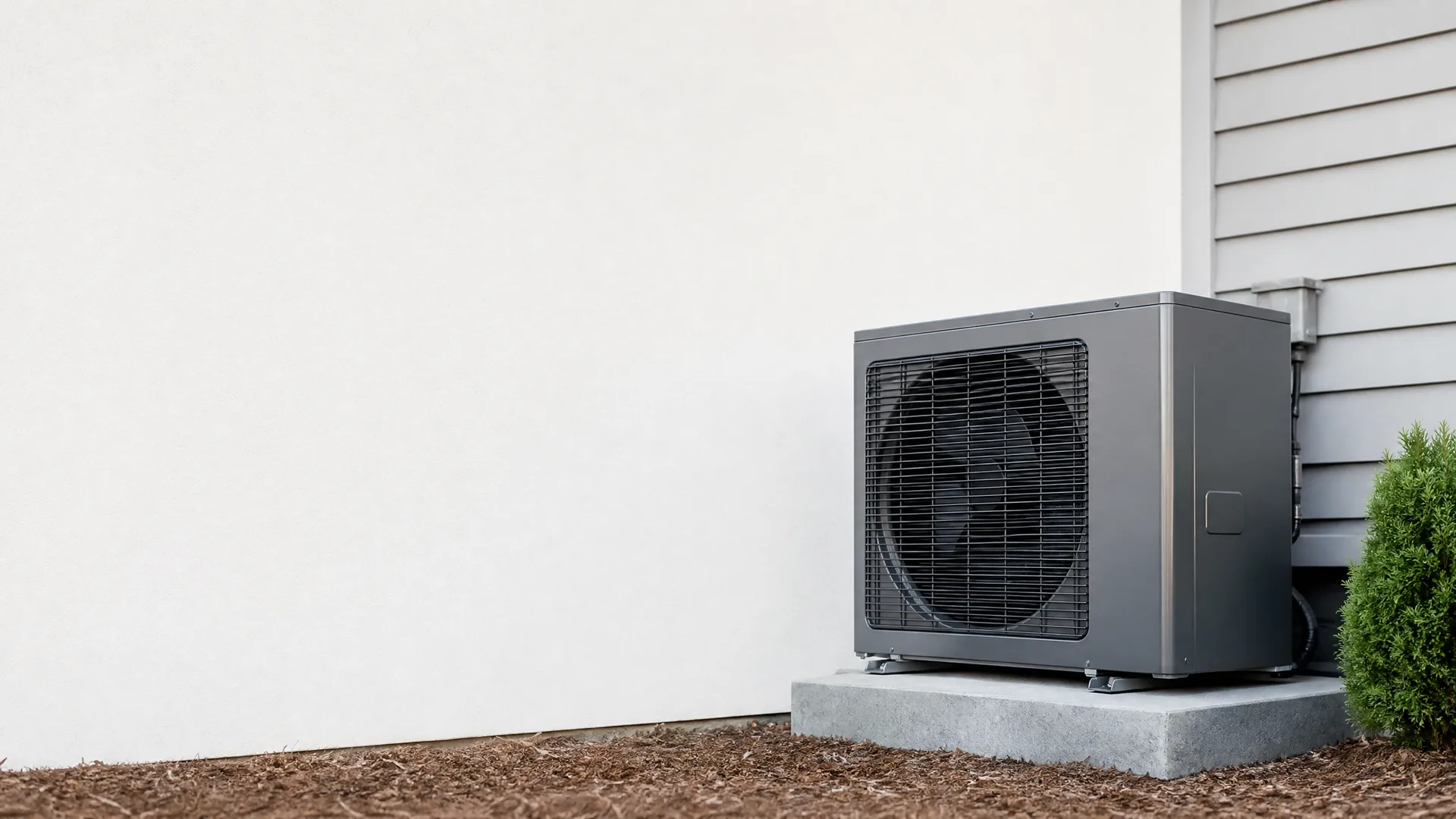
A dark gray outdoor heat pump unit sits on a concrete pad beside a white stucco wall and lap-sided house corner, with mulch and a small shrub in the foreground.

Getting matched with someone

Once you answer a few questions about what the unit's doing, that part is done. You're matched with a contractor who handles heat pump repair in your area, and they reach out to you instead of the other way around. No list of companies to call one by one, no retelling the same story about the ice buildup or the room that won't warm up. You still have a repair ahead of you, and nobody can promise what it finds, but finding someone qualified to look at it stops being your problem.

A heat pump bill that climbs when the temperature drops is doing what it's supposed to do. A bill that climbs because the coil is iced over or the refrigerant is low is a repair waiting to happen. The difference is worth knowing, because one you live with and the other you fix. Checking it yourself means finding a contractor who works on heat pumps, calling to see if they take your model, explaining what the unit is doing, waiting on a quote, then doing that again with a second company to see if the price holds up. Getting matched with one who already knows the equipment and can look at what your system is actually doing skips all of that. You still pay what New Hampshire power costs to run a heat pump through a cold morning. What you don't have to pay for is a system working harder than it needs to, and you don't have to spend your evenings tracking down someone to tell you which one you've got.

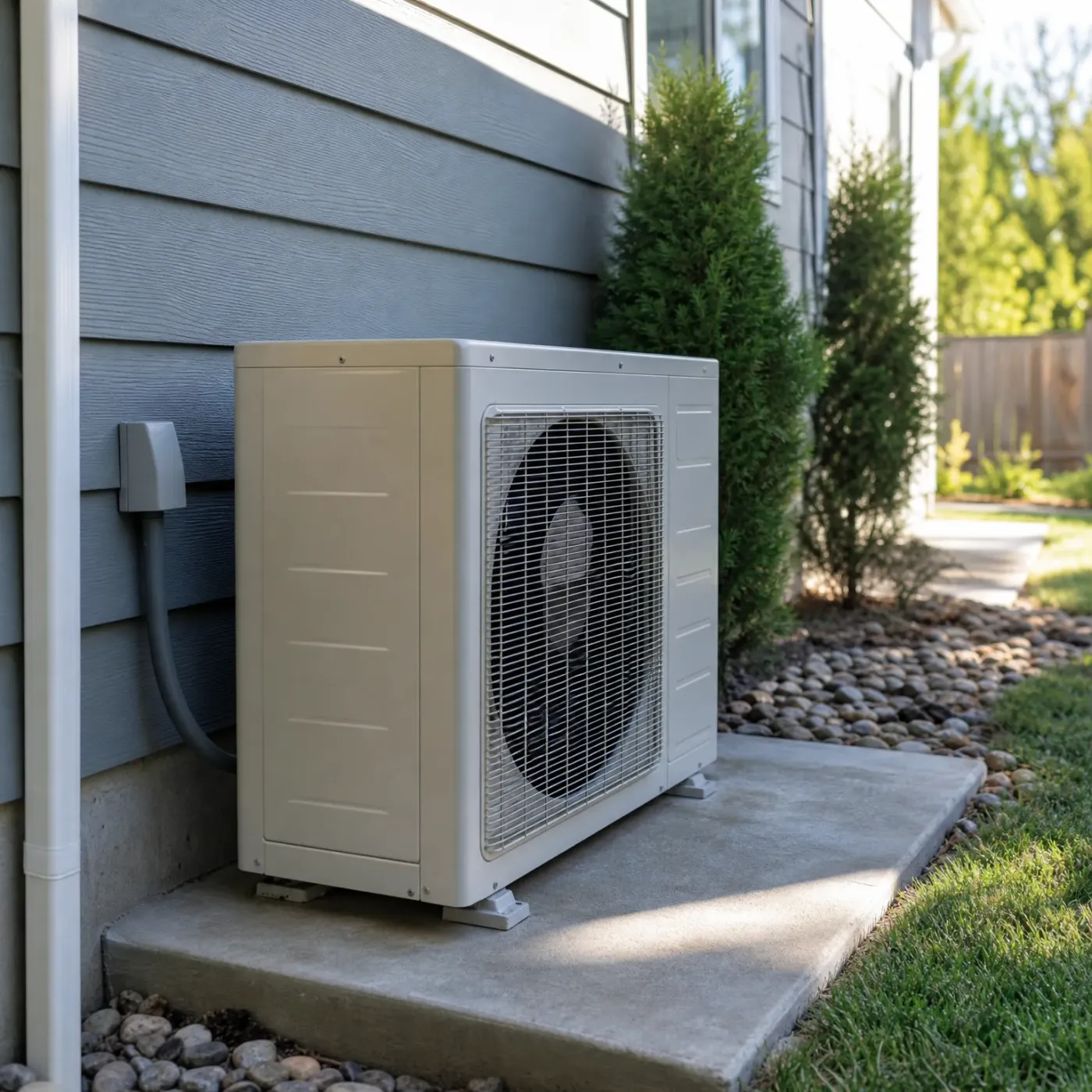
A beige outdoor heat pump or air conditioner condenser unit on a concrete pad beside a gray horizontal-siding house, with a disconnect box and conduit on the wall, shrubs, river rock and lawn nearby.

A heat pump pro near you

Skip the search

Answer a few questions instead of calling shop after shop.

Asking costs nothing, and the choice to hire stays yours.